If you run a shop, a plant, or anything with moving parts big enough to ruin your week, you already know this: machines have personalities. Some behave. Some don’t. Some are saints until the moment they decide not to be. And usually, that moment comes at the absolute worst possible time — middle of a big job, right before a shipment, or when the one person who knows that machine inside-out just went on holiday.
That’s where a machine risk assessment comes in.
Think of it like having a sharp-eyed mechanic give your machine lineup a once-over before the winter hits. Someone who’s been around long enough to know what’s normal, what’s dangerous, and what’s one loose bolt away from taking your production schedule hostage. No clipboards for the sake of looking official, no guessing, no panic — just real shop-floor experience applied in the right way.
And honestly? November is the perfect time for it. You’re wrapping up the year, budgets are getting sorted, Q1 planning is starting, and you finally have a moment to think about the things that don’t scream for attention every day… but probably should.
Here are the top five reasons a professional machine risk assessment is one of the smartest moves you can make heading into the new year.
1. You Catch Problems Long Before They Blow Up
Most shops have a few “little things” everyone just lives with. The guard that’s always loose. The safety switch that only works if you jiggle it. The sensor that fires… most of the time. The sticky start button. That one panel nobody wants to open because it “just needs a wiggle.”
Individually, none of these feel like emergencies. But stacked together? They’re a perfect recipe for breakage, downtime, or a close call that ends with paperwork nobody wants to write.
A machine risk assessment is basically someone coming in and saying, “Hey, I know you’ve learned to ignore this, but you shouldn’t.” And nine times out of ten, the operator goes, “Yeah, we’ve been meaning to fix that.”
The value isn’t in pointing fingers — it’s in seeing everything clearly again. In catching the things you’ve normalised. In preventing the small stuff from turning into “stop the presses, everything’s down.”
A couple of hours of assessment beats a couple of days of downtime every single time.
2. You Stay Compliant Without Losing Your Mind
Let’s be honest: nobody gets into manufacturing because they love reading standards. And safety guidelines? They’re important, but they’re not exactly fun weekend reading.
The problem is, the rules matter — for safety, for inspections, and for avoiding fines or forced shutdowns. Standards evolve. Requirements shift. WorkSafe can show up when you least expect it. And if your machines aren’t up to snuff, it’s your productivity that pays the price.
A proper machine risk assessment keeps you compliant without drowning you in documents. You get clear, simple explanations of what needs attention and why. No guessing games. Just straight answers in everyday language.
And when an inspector does show up, you don’t have to worry about what they’ll find. You already know, because someone with real-world experience was there first and helped you fix it.
3. A Safer Machine Usually Runs Better
Here’s the part people don’t always expect: when you fix safety issues, you usually improve productivity at the same time.
Why? Because the same things that make a machine unsafe often make it unreliable. Loose guards rattle. Worn-out sensors misread. Operators improvise workarounds because something “never works right.” Machines that aren’t safe tend not to be smooth, stable, or predictable.
A machine risk assessment often uncovers tiny adjustments that make everything flow better — better guarding that reduces jams, updated controls that stop nuisance trips, or redesigned access points that make cleaning and setup faster.
Safety isn’t a brake pedal on productivity. It’s the steering wheel that keeps everything driving straight.
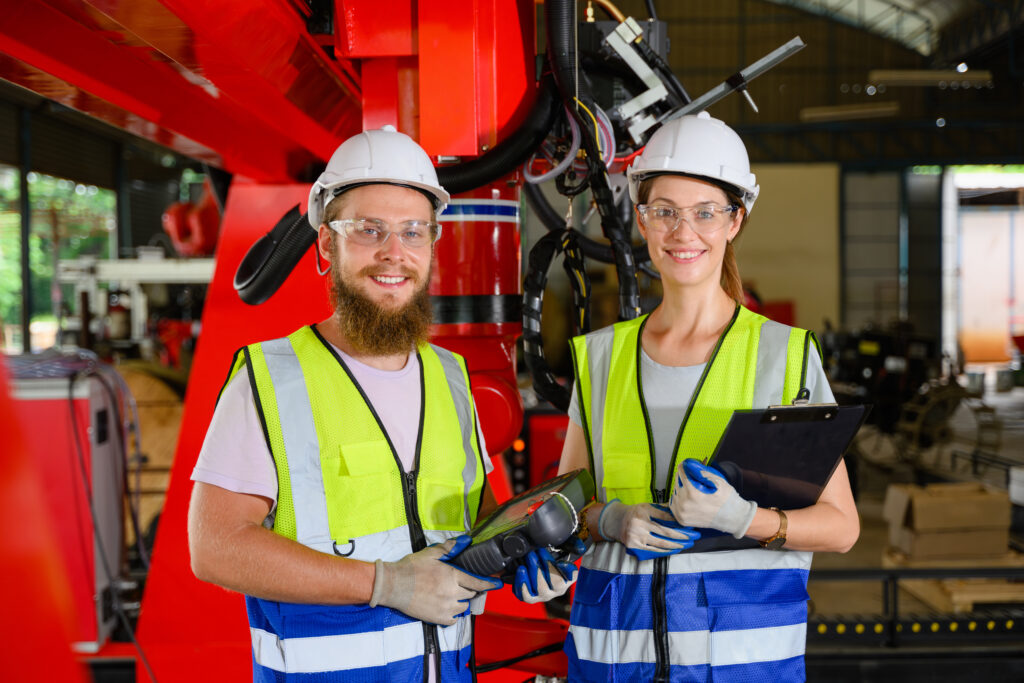
4. Your Operators Feel Safer — And They Work Smarter
Whether anyone talks about it or not, every operator knows when a machine isn’t quite right. They know which ones feel sketchy, which ones require a workaround, and which ones they hope they’re not assigned to that day.
When you bring in an expert for a machine risk assessment, you’re sending your team a message: “We’ve got your back. Your safety matters. Your comfort matters. And we’re not cutting corners.”
That shift in culture is massive.
You get fewer shortcuts. Fewer bad habits. Fewer “this is how the last guy did it.” The work becomes cleaner, smoother, and more consistent. You’re not just preventing accidents — you’re preventing the subtle, creeping mindset that says safety is optional.
Operators who feel safe show up better. They take pride in their machine. They report issues earlier. They work with confidence instead of caution.
That’s how you build the kind of team people actually want to stay on.
5. You Can Actually Plan Your Upgrades Like a Pro
You know what’s worse than needing a major machine upgrade?
Needing it unexpectedly.
Budget season is stressful enough without throwing mystery line items or surprise repairs into the mix. A machine risk assessment gives you a roadmap: what needs fixing now, what can wait, and what should be replaced or upgraded in the next year or two.
That kind of clarity is gold for planning.
You can budget properly. You can schedule downtime on your timeline. You can avoid scrambling when something fails at the worst moment. And you stop pouring money into patches that don’t solve the real problem.
Plus, when you know what’s coming, you can space out spending instead of getting slammed with one massive expense all at once.
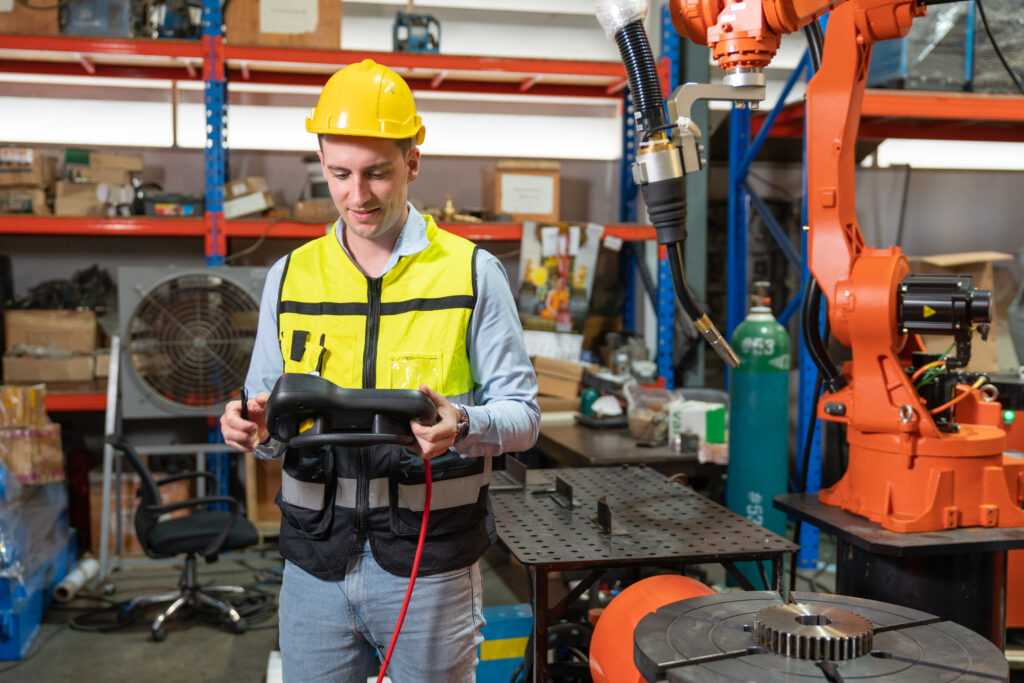
Why It Matters That the Assessment Comes From an Expert
Let’s be blunt: not all assessments are equal.
A real expert doesn’t just read from a clipboard. They know what a safe machine looks like because they’ve spent years building, repairing, and upgrading them. They can spot issues instantly because they’ve seen what happens when those issues go ignored.
An expert assessment gives you:
- Clear explanations, not jargon
- Real fixes that match your workflow
- A priority list that makes sense
- Answers that come from experience, not a training video
At Altech, we live on shop floors. We get our hands dirty. We’re engineers who speak human. And when we do a machine risk assessment, we make sure you walk away knowing exactly what’s going on and exactly what to do next.
If you want to start the new year safer, smoother, and better prepared, a machine risk assessment is one of the smartest, simplest moves you can make. It saves money. It prevents downtime. It keeps your team safer. And it gives you a clear plan instead of a collection of surprises.
Year-end fills up fast — if you want this off your plate before January hits, now’s the time.
Ready to dial in your machines and walk into Q1 with confidence?
Book your expert machine risk assessment today.